

Gift boxes arranged beside laptops in an office setting, illustrating the concept of corporate gifting and its impact on workplace relationships.
Corporate gifting has quietly moved past the "festive hamper" era. What once felt like a calendar obligation has become something far more intentional, a way for businesses to build real emotional equity with the people who matter most to them.
But here's what most brands miss: the gift itself is only half the story. The other half lives entirely in the mind of the person receiving it.
Understanding the psychology behind corporate gifting, why it triggers certain emotions, shifts perceptions, and influences decisions, is what separates a forgettable gesture from one that genuinely moves the needle for your brand.
At its surface, corporate gifting is straightforward, businesses send gifts to clients, employees, vendors, or prospects. But the practice carries far more weight than the transaction suggests.
It shows up in several common scenarios:
The occasion changes. The underlying psychology, however, stays remarkably consistent.
Reciprocity is one of the most deeply wired human tendencies. When someone does something for us, we feel a natural pull to return it.
In a business context, a well-timed, thoughtful gift can quietly shift a relationship. It doesn't force anything. But it does create an emotional obligation that nudges people toward:
The key word there is thoughtful. A generic pen set doesn't trigger reciprocity. A personalised gift that reflects genuine attention does.
Here's something neuroscience is pretty clear on: people forget what you said, but they rarely forget how you made them feel.
Most business interactions are transactional by nature, emails, invoices, meetings, deliverables. Corporate gifting cuts through that noise by creating an emotional touchpoint. Done well, it:
This is why the quality and intentionality of a gift matters so much more than its price tag.
There's a massive difference between receiving something that was clearly bought in bulk and receiving something that feels like it was chosen for you specifically.
Personalisation works because it satisfies a fundamental human need to feel seen and valued as an individual, not just as an account number.
This can show up in straightforward ways:
Even small personalisation gestures dramatically increase perceived value.
Whether we acknowledge it or not, people make judgements about your brand based on what you give them. A high-quality, well-packaged gift says: we pay attention to detail. We invest in relationships. We take pride in what we put out.
Conversely, a cheap or generic item can quietly erode brand perception, especially at a senior level where expectations are higher.
Premium gifting signals:
Routine festive gifts are nice. Unexpected ones are unforgettable.
When we receive something surprising, the brain releases dopamine, a neurochemical tied to pleasure and positive memory formation. This is why a mid-year gift with no specific occasion can outperform a Diwali hamper that everyone saw coming.
Surprise gifting creates:
For employees specifically, the psychology of gifting maps to something even more foundational, the need to feel like they belong and that their contribution matters.
Recognition through gifting, when paired with genuine acknowledgement, can:
The gift itself becomes a symbol. What it represents is effort noticed, performance acknowledged, human first is what actually lands.
Psychology matters, but so do the results. Here's how smart gifting strategies show up on the business side:
Clients who feel valued don't shop around as aggressively. Regular, thoughtful gifting keeps the relationship warm between touchpoints and reduces the chance of churn when a competitor comes knocking.
Practical branded gifts like a quality notebook, a well-designed tote, a useful desk item, stay in daily environments and serve as passive brand reminders long after the gift is received.
Gifting builds goodwill incrementally. Over time, this compounds into genuine trust, the kind that makes clients comfortable referring others, giving honest feedback, and going the extra mile on collaborative projects.
A genuinely impressive gift gets talked about. In offices, during calls, on social media. When your gifting is distinctive enough to become a story, it earns attention that money can't directly buy.
Even with good intentions, gifting can fall flat or backfire. Watch out for these:
Noida's business landscape has changed significantly over the past decade. With more startups, expanding enterprises, and a genuinely competitive environment, standing out isn't just about product or service quality anymore.
Corporate gifting has become one of the more underrated ways to:
More companies in the region are now working with dedicated agencies rather than handling gifting ad hoc because the execution and presentation matter just as much as the gift itself.

A person hands over a gift in a professional setting, symbolizing relationship building and appreciation through corporate gifting.
At Noida Media House, we treat corporate gifting as a brand communication exercise, not a procurement task. The goal isn't just to send something nice. It is to create an experience that reinforces who you are as a company and deepens the relationship with the person on the other end.
Our work covers:
Whether you're looking to improve client retention, reward your team, or simply make your brand more memorable, we can help you build a gifting approach that actually lands.
Beyond the surface gesture, corporate gifting is primarily a relationship-building tool. It builds emotional equity with clients, employees, and partners in ways that standard business communication simply doesn't.
It works through psychological principles like reciprocity and emotional memory, making clients feel valued, which increases loyalty, repeat business, and openness to deepening the relationship.
Significantly. Personalisation signals that you've invested attention in the individual, not just ticked a box. It shifts the emotional register of the gift entirely.
Festivals work, but the most psychologically impactful gifts tend to arrive unexpectedly, tied to milestones, achievements, or simply sent because the relationship warranted it.
Yes, particularly when paired with genuine recognition. Gifting that reinforces appreciation boosts morale, strengthens loyalty, and contributes to a healthier overall workplace culture.
There's no fixed rule, but the guiding principle should be: quality over quantity, and tiered by relationship value. For high-value clients or top-performing employees, the investment should reflect the importance of the relationship.
The reason corporate gifting works is psychology.
It taps into how humans form bonds, build trust, and decide who they want to keep doing business with. When businesses understand this and approach gifting with genuine intentionality, it stops being a cost line and starts becoming one of the most efficient relationship investments on the table.
A well-executed gifting strategy doesn't just send something. It says something.
Ready to build a corporate gifting strategy that actually connects?
Partner with Noida Media House to design gifting campaigns that reflect your brand and strengthen your most important relationships. Contact us today to get started.
 Copy
CopyExpert views on branding, advertising, digital marketing, and media strategy to help businesses grow with clarity and impact.

At Noida Media House, we design brochures that present your products, services and brand story in a structured and visually appealing format. Our brochure designs are created to engage audiences and leave a strong impression whether used for marketing, sales or corporate communication.
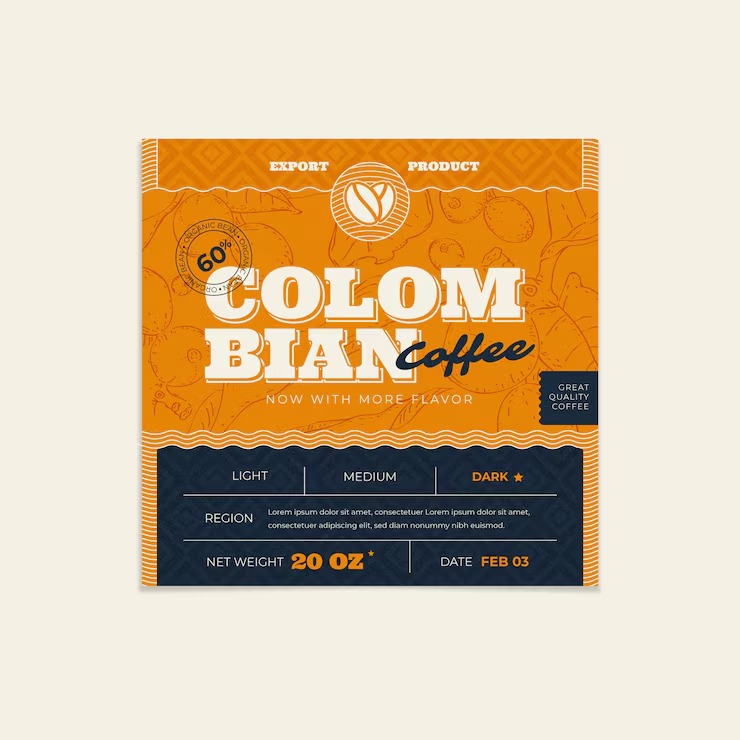
At Noida Media House, we design catalogues that present your products or services in a clear, organized and visually consistent manner. Our catalogue designs focus on readability, flow and brand alignment, helping your audience easily navigate information while reinforcing your brand identity.
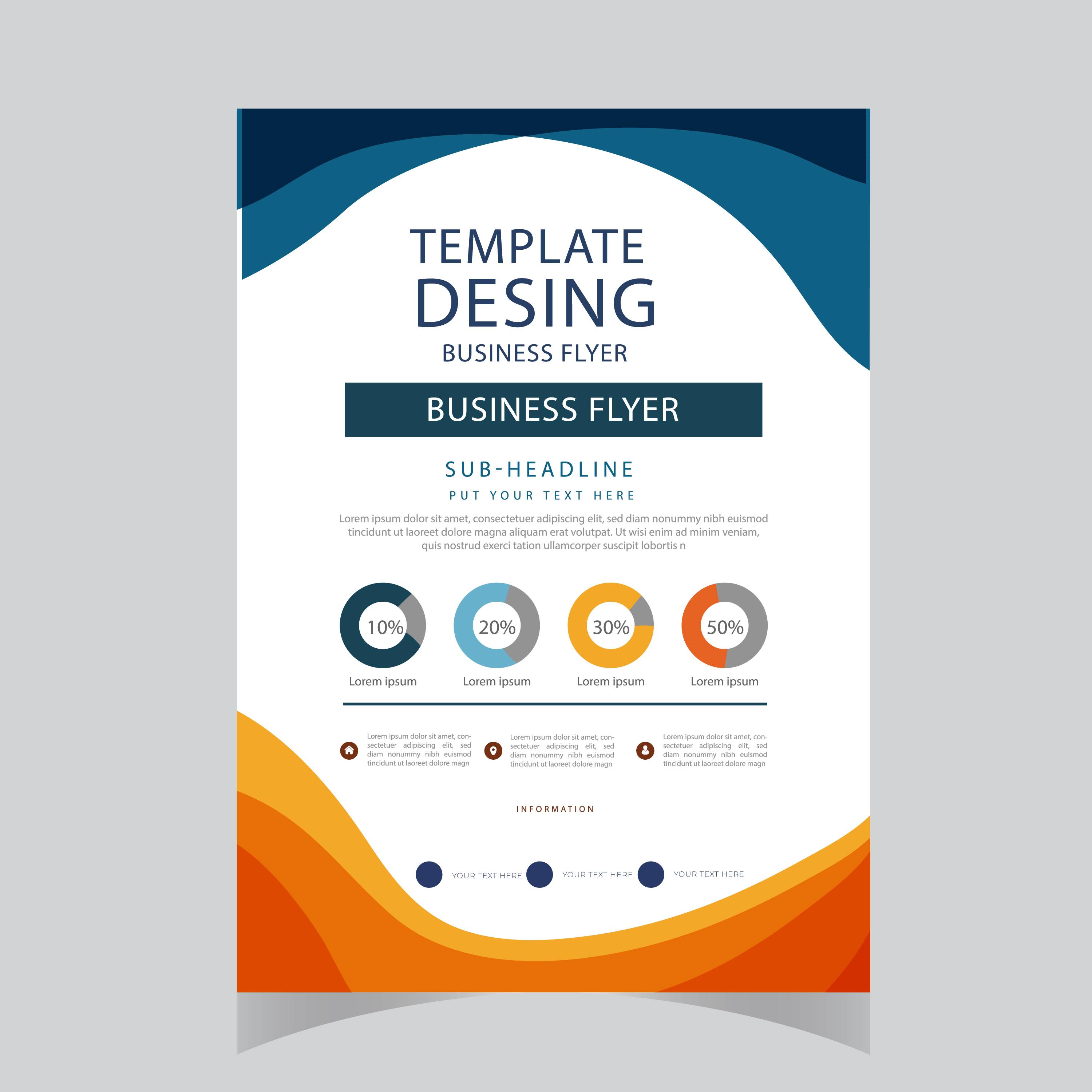
At Noida Media House, we design leaflets and flyers that deliver your message in a concise and visually engaging way. Our designs are created to grab attention instantly while clearly communicating key information, making them ideal for promotions, announcements and on-ground marketing.


