

3 miniature men standing with a customer word written beside them.
In today's economy, consumers are no longer just purchasing goods and services but also purchasing trust. Trust is something that can not be acquired overnight; it takes time and effort to build it. The only two aspects that help to build brand trust are consistent branding and clear messaging, along with the presence of a brand on a number of platforms.
Branding is beyond having just a logo or a catchy phrase. It is more about the entire experience that a company builds around the communication of its brand to be shown to the people in various media. This experience of the brand makes it look trustworthy to customers. If the brand is successful in building trust, people will feel comfortable purchasing from it over other options.
The most significant factors in today's economy are trust in brands, which is built with presence on multiple media platforms and storytelling. This is exactly what organizations like NMH help by presenting the brands to the customers in a credible and consistent manner with impact. The breakdown of this concept shows how exactly a brand can help build trust.
Essentially, branding is the persona of a business. Visual identity, brand voice, values, and how they are conveyed to connect with people on an emotional level, are the branding for the company. Branding is about ensuring you're not just seen, but you are remembered, that you are trusted, that you communicate a clear brand promise that people can rely on every time.
For a platform such as the NMH, which is a media-centric one, the branding comes from presenting facts in a credible, real, and comprehensible manner that would instill people with trust in not only the platform but the brands displayed.
Trust-building branding is built on several core components. Not quick fixes, but the principles you should focus on throughout your customer relations and build upon. Done correctly, these components will lay the foundation for a reliable and credible brand.
Above all else, being authentic is crucial. Customers in today’s market are aware and can spot a brand over-reaching for attention or imitating someone else with ease.
Authentic branding revolves around clear brand values, transparent communication, and staying true to what a business actually is, rather than who it wishes it was. By focusing on genuine delivery over promising the moon, businesses will connect on a more powerful level.
When there is consistency between the words used by the brand and its actions, customers naturally start to trust that brand. In time, authentic branding is transformed into customer loyalty and a lasting relationship.
Being transparent is the act of open, clear, and honest communication across all platforms of the business. Customers value honesty and resent being kept in the dark or provided with unclear information. From the pricing of a product to service terms and policies, the more open the business is, the more confidence the customer can take in their decision-making process.
The fear of the unknown is removed, thus removing one of the greatest obstacles to building trust. A company that is open in its communication will often find that it will be treated with higher respect, particularly in times of change and adversity. Such openness adds to credibility and builds confidence.
One of the greatest assets to building trust is branding consistency. Brands that do not change across different platforms make the customer have a more predictable experience with the company. This includes elements like logos, colors, and imagery, but also extends to tone of voice, language, and the entire experience delivered by the brand, from browsing the web to interacting with a customer service representative.
When a brand is inconsistent, it immediately loses credibility in the eyes of the customer. There is too much chance for error and too much for the brand to get wrong for customers to remain consistently trusting.
Content is one of the biggest drivers of perception of a brand. Content is about providing a user with added value, rather than simply trying to sell something. The blogs, articles, and other media shared by a company must serve to educate and answer customer questions, as well as present the brand as an authoritative presence in its market.
Customers are more likely to trust a brand if they are continuously receiving valuable and relevant information. A smart content strategy also guarantees that a brand’s message is consistent with its values and relevant to the audience, thus ensuring that trust will be built through knowledge over time.
Storytelling through the media can further boost this by helping customers identify with a narrative and therefore a more relatable brand.
Branding, even if unspoken, goes a long way in building customer trust. Beyond mere visibility, it's about being recognized for the right reasons. Each touchpoint, whether visual, verbal, or tactile, builds how much we trust the brand. Over time, a strong brand reduces doubts, familiarizes, and facilitates purchase decision-making for consumers.
When a brand looks, sounds, and feels the same across the board, customers begin to recognize and relate to it more. This constant exposure familiarizes and comforts them. Consumer behaviour clearly shows that comfort is often synonymous with trust. This extends beyond visuals. It includes the brand's tone of voice, communication style, and responses to consumers.
When it all aligns, it communicates a sense of stability and reliability. Lack of consistency, however, creates confusion, and customers are prone to questioning a brand that cannot maintain its identity across platforms.
A simple and honest message from a brand is trustworthy. Customers want to be spoken to clearly and are more willing to believe in a brand when it doesn't make them search for answers or interpretation. Confidence is evident when communication is clear. It states that the brand knows what it stands for and that it will deliver value to you.
Exaggerated, unclear, or complicated messages, however, create doubt, and consumers feel they are not being told the whole truth. Branding ensures communication stays on point with the brand's value and offerings, reducing uncertainty and building credibility every single step of the way. Media platforms like NMH reinforce this by simplifying messages and delivering them professionally.
Perception plays a key role when establishing customer trust. How a brand looks and feels gives consumers an idea of the business itself. A clean, professional design and good quality content instantly build trust in how serious, competent, and experienced a business appears to be.
Typography, layout, design, and content all contribute to a well-established image that customers then correlate to the reliability of the product or service. A poorly designed brand can give customers doubt, even when it offers value.

Desk in creative workspace, with an open green folder, sticky notes, a cup of coffee, and other stationery on it.
We become emotionally attached to consumers, as they are more inclined to trust and feel an affinity with people who they perceive to mirror themselves. This is where branding, and more specifically a brand's narrative and tone of voice, comes into play.
A consumer feels identified by the language that is used, building an affinity with the brand and a feeling of association. The resulting attachment is more than just transactional, and the consumer, who is now committed to a brand name, will choose, consume, and advocate, thus creating far more value to a business.
Being visible on credible media platforms gives consumers further assurance about a brand's legitimacy and trustworthiness. Visibility via media serves as a referral system, reducing consumer scepticism.
Social proof encourages trust - if a brand is recognized and discussed publicly, customers are more inclined to believe its offerings. Beyond reach, the media platform's reputation provides the visibility needed without appearing to be a sales pitch. A media house such as Noida Media House works at this level to convey a brand's message effectively.
Customers now extensively research before purchasing. Online reviews, brand presence, and media coverage-everything's scrutinized before purchase decisions are made. Branding simplifies this for the consumer. It conveys a lucid, credible image across all touchpoints.
A poor branding strategy can lead to difficulties in building consumer trust, even for the best of businesses. Conversely, with an appropriate strategy and media promotion, businesses can establish themselves as top players in their respective sectors.
Noida Media House is a media house that's geared toward providing informative, compelling, and effective media content that positively reinforces brand image. Through a combination of storytelling and targeted media outreach, NMH aids businesses to:

Handwriting on a notepad and a frowny face written in black. Stationary on a peach colored background.
Branding is less about differentiating yourself from the rest and more about being someone who is trusted. Whether through consistency, clarity, emotional connections, or a strong media presence, each aspect of branding works in unison to define a customer's perception of a business.
This level of confidence is what helps build lasting relationships, and at the end of the day, that is the true marker of a strong brand. Whether you are a large corporation or a budding startup, partnering with a trusted media house such as Noida Media House is the best first step toward a successful and trustworthy brand.
By approaching your brand and its narrative in the right way, you can ensure that your brand trust is earned and that it's maintained long after the first point of contact.
1. How does branding influence customer trust?
Branding establishes trust by projecting consistency, clarity, and a reliable identity, giving customers confidence to engage with the business.
2. What is the significance of consistency in branding?
Consistency in branding ensures that customers recognize and depend on a business, thereby increasing their trust.
3. Can media exposure contribute to the development of brand trust?
Yes, exposure on reputable media outlets validates a brand's authority and serves as a powerful social proof.
4. What role does content play in the branding process?
Meaningful content serves to educate, entertain, and build credibility, significantly strengthening a brand's trust.
 Copy
CopyExpert views on branding, advertising, digital marketing, and media strategy to help businesses grow with clarity and impact.

At Noida Media House, we design brochures that present your products, services and brand story in a structured and visually appealing format. Our brochure designs are created to engage audiences and leave a strong impression whether used for marketing, sales or corporate communication.
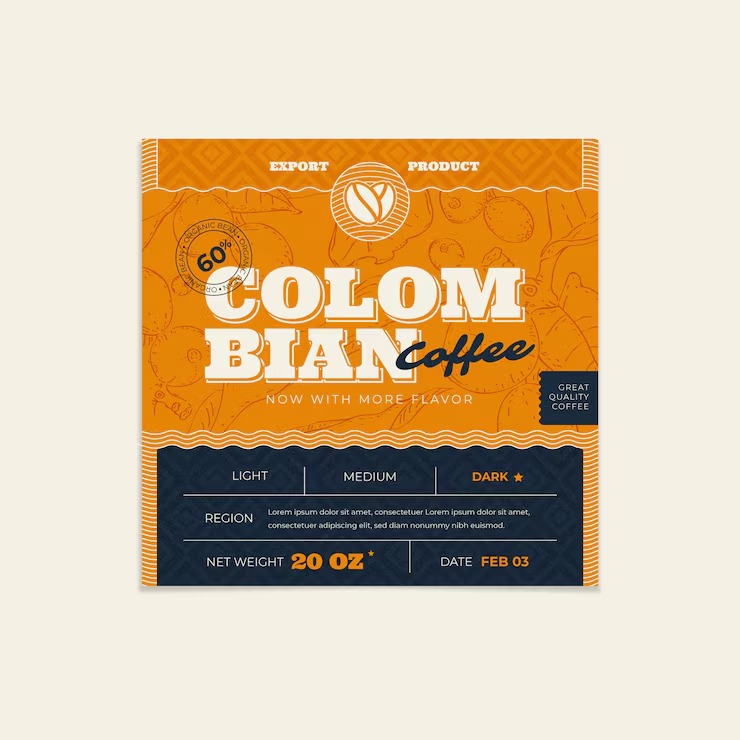
At Noida Media House, we design catalogues that present your products or services in a clear, organized and visually consistent manner. Our catalogue designs focus on readability, flow and brand alignment, helping your audience easily navigate information while reinforcing your brand identity.

At Noida Media House, we design leaflets and flyers that deliver your message in a concise and visually engaging way. Our designs are created to grab attention instantly while clearly communicating key information, making them ideal for promotions, announcements and on-ground marketing.


