

A woman is shown with a circular colour palette.
When people first think of a brand, the first thing that comes to mind is likely its colors and perhaps only that. Before people even process the taglines and comprehend what the service is offering, colors convey a whole array of information: the emotions, intention, and meaning it hopes to achieve.
It ranges from colors associated with reliability and authoritativeness to creativity and vibrancy; these colors impact the way a brand is seen. Colors in a media-based environment like Noida Media House are something beyond visual appeal, and they can become a strategy.
Color psychology is about the relationship between color and behavior. In the context of branding, businesses use colors to influence a certain feeling among the audience. Each color has an emotional value:
Brands that incorporate Color Psychology integrate colors in a deliberate and purposeful way, not arbitrarily.
Brand colours do far more than just make something look attractive; they are instrumental in how people interact, understand, and remember brands. Color communicates subtly yet profoundly. Before one has even processed words, the color palette already says something about the values, tone, and personality.
In mere seconds, a customer has already formed an opinion of the brand, and it is colors that have a large part to play. Color choices set expectation; they can instantly create a feeling of luxury, trustworthiness, youthfulness, or daring without any prior experience. This initial visual impact is one of the things determining whether the consumer continues further or moves on.
Color invokes subconscious feelings, and thus, people feel some kind of emotion for a brand accordingly. As color relates to brand meaning people can have consistent emotions when interacting with a brand. As an example, some colors make people feel calm, and others feel excited and energetic; thus, a relationship between the color and brand becomes clear to the consumer.
Through repeated usage, colors become the shortcut to brand recognition. Through time, if brands used the same color scheme throughout ads, packaging, social media, etc. The viewer would not have to read brand names in order to know it is their brand due to the color associations.
Colors establish exactly what the brand is and how it wants to be perceived. They are the colors of personality; whether bold and groundbreaking, modern and minimal, or cute and friendly. Consistent usage will build a better brand identity and trust with the consumer.
The subtle yet undeniable way color influences customer behavior, for instance, specific hues can elicit feelings of urgency, trustworthiness, or comfort, directly influencing a purchase. For instance, bright hues can drive quick decisions, while a softer hue can build security and thus, a stronger engagement and likelihood of a sale.

Hands holding a circular color palette showing a color gradient.
When colors are used consistently across web pages, social media, printed material, and advertising, it creates a singular identity. This makes a brand appear more organized, more credible, and an obvious visual signpost that users can instantly recognize from place to place.
In markets saturated with similar products or services, color can serve as an instantaneous shortcut that differentiates brands. A bold and easily identifiable palette can enable a brand to carve a distinct space for itself that is immediately recognizable.
Color influences how content is consumed in an increasingly fast-paced digital environment. Vivid colors are able to hold attention for a longer period of time, increasing engagement and memorability with a certain marketing campaign.
Brand colors can also influence and suggest the relative position of the brand within its own market. While certain colors can be used to reinforce brand recognition within their given industry, others can be chosen to deviate from this established norm in order to project uniqueness or to appear to have a bolder, more advanced position.
Color choices are a mix of psychology, the industry you're in, and your target audience's tastes. They are not about what looks good; they are about what feels good, and the audience they are trying to reach with those choices.
Each brand has a personality: some are daring, some are classic and high-end, some are fun and light-hearted, some are trustworthy and secure. The color palette you choose should in some way embody that brand personality. For instance, dark and muted tones suggest a higher-end quality, while bright, vibrant colors are associated with youth and energy. Make sure that your choices communicate the appropriate brand essence.
There is a lot to take into account with regard to how color choices affect an audience. Different ages like and dislike different colors; different cultures react to color in different ways; preferences are different as well. What will communicate correctly to a younger audience is not the same as what will communicate to a mature one. Learn what colors communicate effectively to your intended audience.
Your website, social media sites, print advertisements, business cards, and other marketing collateral all use colors. Ensuring consistency in color choices builds familiarity with the brand name and makes a user recognize the brand anywhere they come in contact with it.
There is no single correct answer regarding color choice, and many brands try different combinations and shades out in order to see which combination of colors will best communicate what it is they wish to achieve with it. Data can then be analyzed, and choices modified to ensure that your color palette is working to its full potential.
Even the most well-established brands can lose their edge with the wrong color choices.
Steering clear of these pitfalls lets color work for the brand, not against it. This way, color becomes a true asset, helping the brand stand out instead of fading into the background.

A close-up of hands with color swatches on a table with a laptop, smartphone, and tablet.
Color isn’t just a decoration in branding - it’s a force. People notice it before anything else, and it instantly sets the mood. It’s what makes a brand stick in someone’s mind or spark an emotional response without a single word. If you want your brand to actually stand out, you can’t treat color as an afterthought. It’s crucial.
Noida Media House understands this, as their team knows how to weave color, visuals, and storytelling together so your brand does more than just look good, as it leaves a mark. They don’t just help you pick a palette; they help you shape how people remember and trust your brand.
Whether you're starting from scratch or reworking what you already have, a strong color strategy changes everything. It reshapes how people see you, remember you, and feel about your brand.
How do brands pick their colors?
They look at color psychology, what their audience likes, what's happening in their industry, and the impression they want to leave.
Can colors affect how much people trust a brand?
Absolutely. Blue and green, for example, often make people think of trust, reliability, and stability.
Do colors make a difference in marketing?
Definitely. When a brand chooses the right colors, its ads stand out, people engage more, and the marketing just works better.
How many colors should a brand stick to?
Usually, two to four main colors. That way, everything feels clear, consistent, and recognizable.
 Copy
CopyExpert views on branding, advertising, digital marketing, and media strategy to help businesses grow with clarity and impact.

At Noida Media House, we design brochures that present your products, services and brand story in a structured and visually appealing format. Our brochure designs are created to engage audiences and leave a strong impression whether used for marketing, sales or corporate communication.
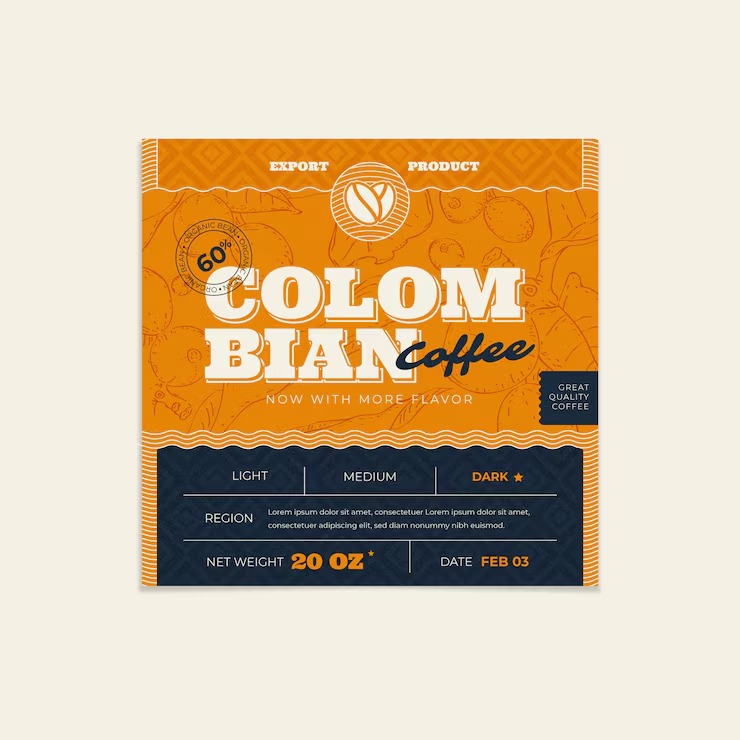
At Noida Media House, we design catalogues that present your products or services in a clear, organized and visually consistent manner. Our catalogue designs focus on readability, flow and brand alignment, helping your audience easily navigate information while reinforcing your brand identity.
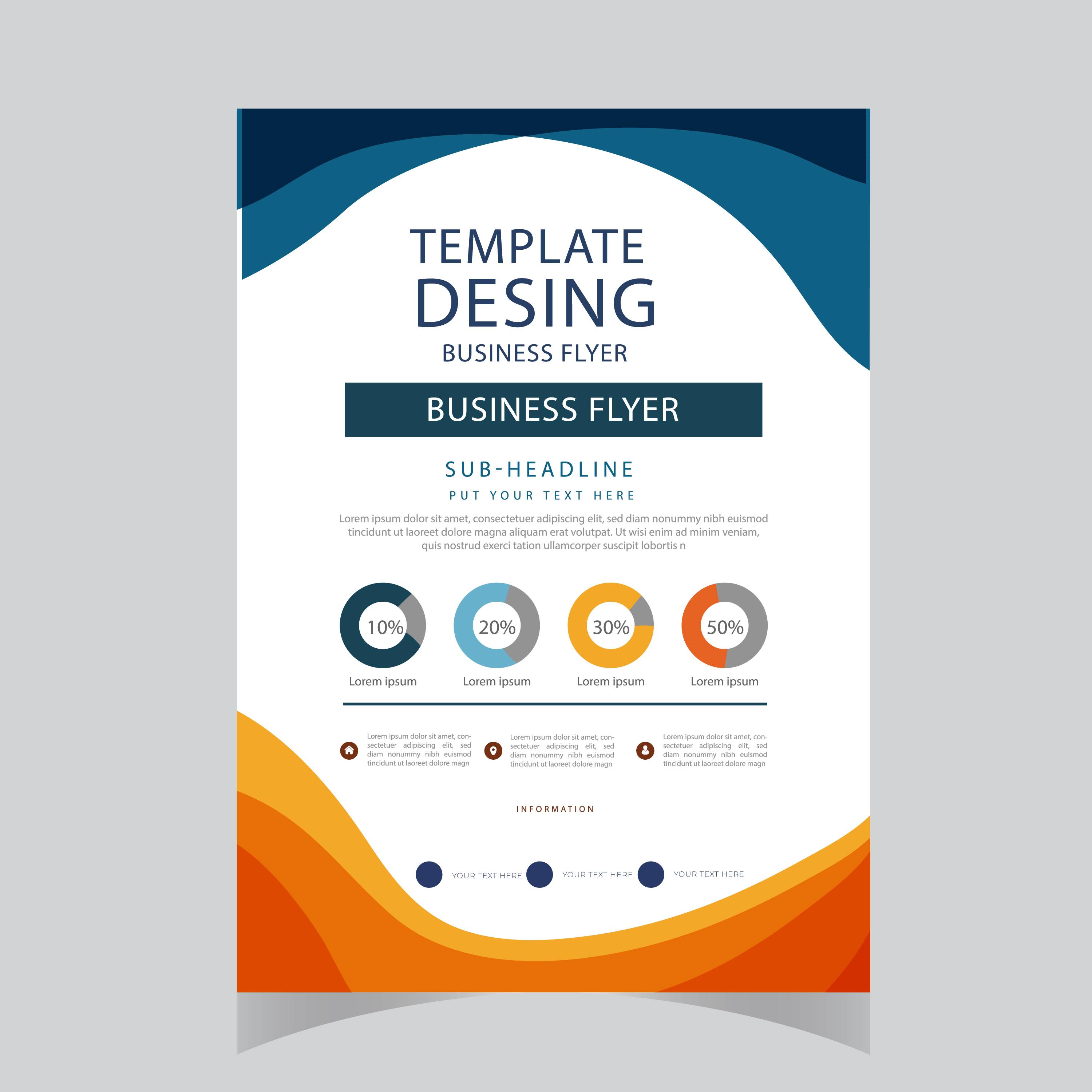
At Noida Media House, we design leaflets and flyers that deliver your message in a concise and visually engaging way. Our designs are created to grab attention instantly while clearly communicating key information, making them ideal for promotions, announcements and on-ground marketing.


