

Three young professionals discuss new ideas and a possible argument at their workspace.
Many small businesses confuse branding with a logo or a color scheme. However, branding is the overall perception that is built in people's minds about the business, right from the tone of a communication to the visuals or even the customer experience.
The impact of good branding builds a brand and promotes trust and sustained growth. Mistakes, however, can misguide customers and undermine credibility. There are several branding mistakes that businesses are unconsciously making that are hampering growth. This guide delves into common branding mistakes and the ways they can be avoided.
Branding is the art and science of developing an identity for your business. Branding incorporates many components, such as your logo, color scheme, font style, and the way you speak and present yourself. Branding goes beyond simple visual elements; branding dictates how customers feel about and interact with your business.
Through successful branding strategies, businesses can:
Without effective branding, your products and/or services may be unrecognized by customers even if they offer high quality.
A common problem for branding success is when it is done without the backing of strategy, consistency, and knowledge of the target audience.
The poor quality branding influences customer trust, limits the reachability, and reduces the ability for long term expansion, hence affecting the business's growth, success, and its ability to compete.
Inconsistent branding confuses customers and dilutes brand perception and trust.

An illustration of a group of people surrounding the concept of brand identity through the use of various branding logos and design work.
One way small businesses commonly falter in their branding efforts is through the overlooking or inconsistency in applying essential strategic components of branding.
Perhaps the biggest branding blunder is failing to define what the brand represents. The majority of these ventures dive into marketing strategies without having a concrete understanding of their purpose, vision, or targeted consumers. The results are muddled messages and customer confusion. Brands should exude a clear purpose as well as a well-defined personality, which is visible through all channels of communication.
The usage of varied logos, colors, or tones among communications platforms decreases brand recognition among consumers, causing them not to recognize the brand in different locations (like on social media or in advertisements). This inconsistency builds trust within a consumer when the brand is consistent across all communications, so the business is readily identifiable.
Branding efforts that aim to target everyone inevitably fail to appeal to anyone. Sometimes, small businesses do not take the time to understand what their audience's wants, behaviors, and expectations are. Solid branding should directly communicate to a specific segment and be geared toward their concerns and feelings.
The brand's logo is often the very first impression of the brand. A generic or poor-quality logo will most likely leave little to no impression. A logo needs to be simple, unique, and reflect the personality of the brand. A strong logo needs to be one that communicates professionalism and differentiation from other competitors.
Many small businesses fail to recognize branding as an ongoing task rather than a one-time endeavor. Without a comprehensive long-term strategy, efforts in branding are ineffective. A brand's strategy should be like a roadmap that will evolve with the business and its ever-changing industry trends.
Trying to establish a brand without expert guidance may result in costly mistakes; from design inconsistencies to hazy messages, these DIY brands lack clarity and a defined strategy. Hiring a professional for assistance is highly recommended to ensure branding is effective as well as visually appealing and aligns with company goals.
When a brand is no longer representative of the company's growth, relevancy, or desirability to the consumer, then it may be time to consider a rebrand.
An intelligent brand strategy involves creativity with a solid plan. This helps to ensure that every component, visual or text, contributes to an established brand. Professional branding emphasizes:
This approach can provide companies with strong brands that will build confidence and awareness.

Two young professionals are working on a laptop together in a creative setting; the table around them is littered with design projects.
Expert agencies such as Noida Media House provide professional service on developing the desired and distinctive brand image according to a business’s requirements. Working with such agencies guarantees a business stays clear of common branding mistakes due to the agencies’ expertise in strategy and creativity. Such agencies work by:
Branding isn’t just about how things look, as it shapes how people see your business. If you keep your messaging clear and consistent, and actually think through your strategy, your brand performs way better. When small businesses put some real effort into branding, they set themselves up to last. Customers trust them more, and they stand out in the market.
Want a brand that sticks in people’s minds? Team up with professionals. It changes everything. Head over to Noida Media House. Their experts bring creative ideas and proven strategies to the table, so your brand grabs attention and drives real growth.
1. Why is brand positioning important for businesses?
Brand positioning puts your business on the map as it lets customers know exactly what makes you different and why they should choose you over everyone else.
2. How can a business build a memorable brand identity?
You build a memorable brand identity by keeping your visuals consistent, nailing your messaging, and forging a real emotional bond with your audience.
3. Why should small businesses invest in professional branding services?
When small businesses invest in professional branding, they get a focused strategy, consistency across the board, and a polished, high-quality brand that’s built to support their goals.
4. How does strong branding drive customer loyalty?
Strong branding is all about trust and connection. When people feel emotionally tied to your brand, they keep coming back as they stick with you for the long haul.
 Copy
CopyExpert views on branding, advertising, digital marketing, and media strategy to help businesses grow with clarity and impact.

At Noida Media House, we design brochures that present your products, services and brand story in a structured and visually appealing format. Our brochure designs are created to engage audiences and leave a strong impression whether used for marketing, sales or corporate communication.
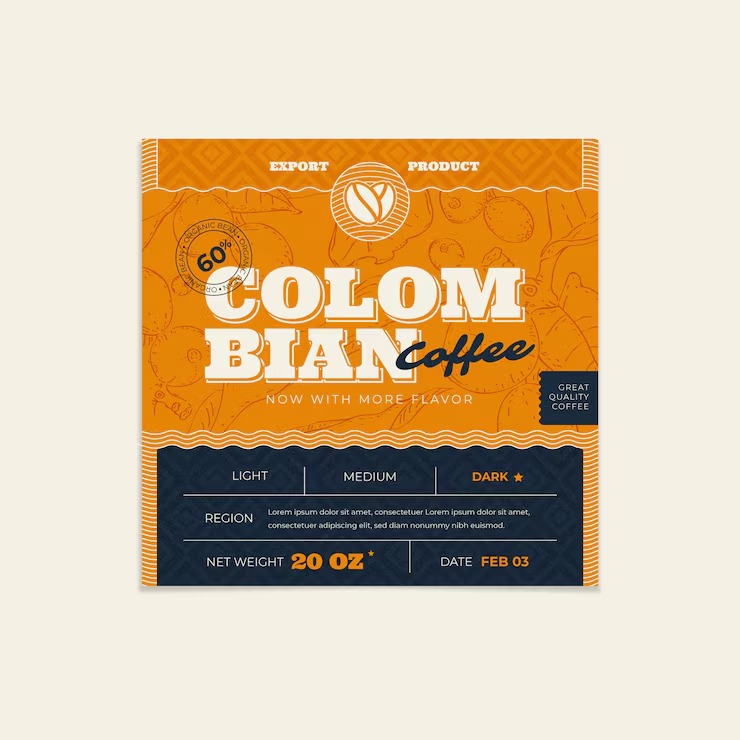
At Noida Media House, we design catalogues that present your products or services in a clear, organized and visually consistent manner. Our catalogue designs focus on readability, flow and brand alignment, helping your audience easily navigate information while reinforcing your brand identity.
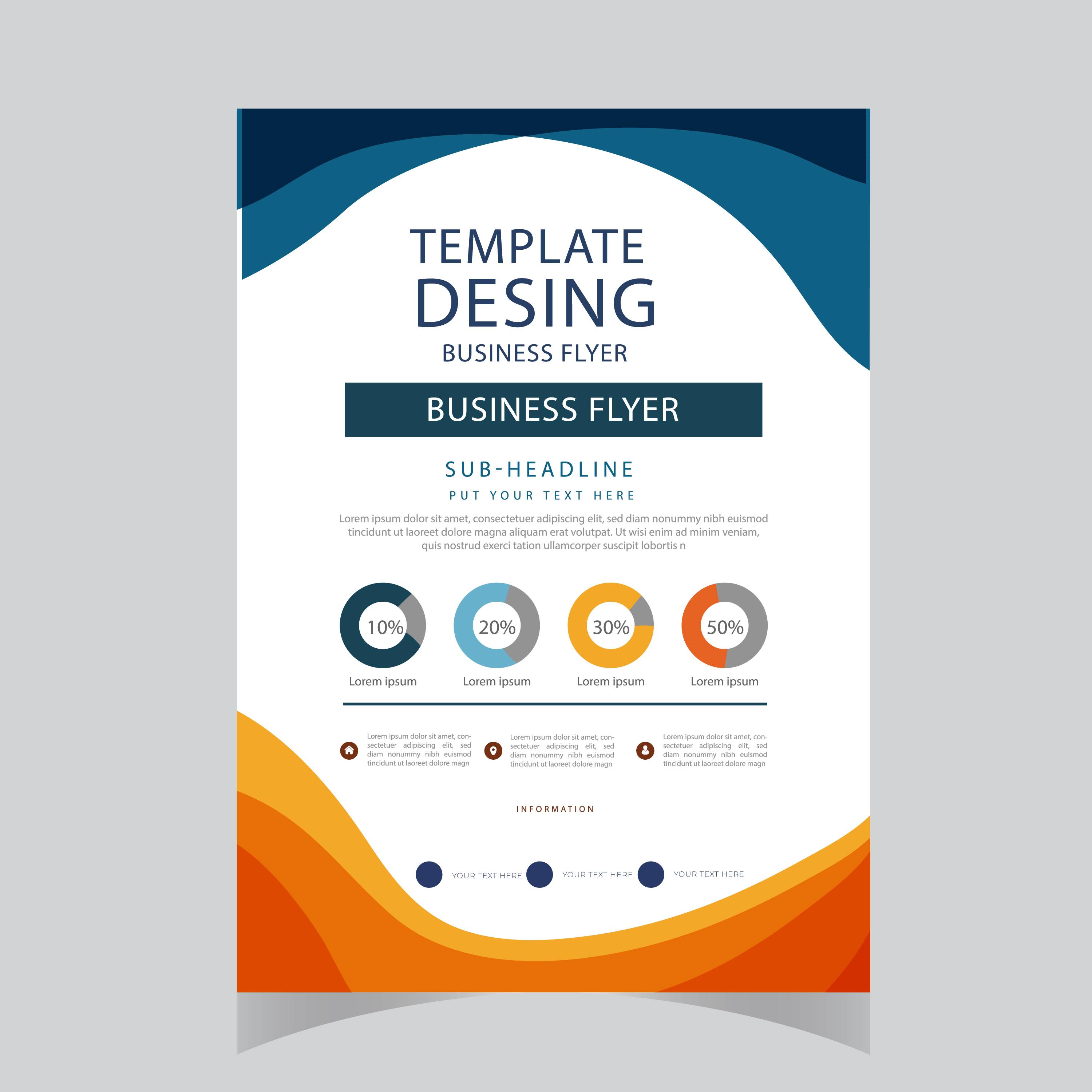
At Noida Media House, we design leaflets and flyers that deliver your message in a concise and visually engaging way. Our designs are created to grab attention instantly while clearly communicating key information, making them ideal for promotions, announcements and on-ground marketing.


